
December 7, 2025
That Sour Dough
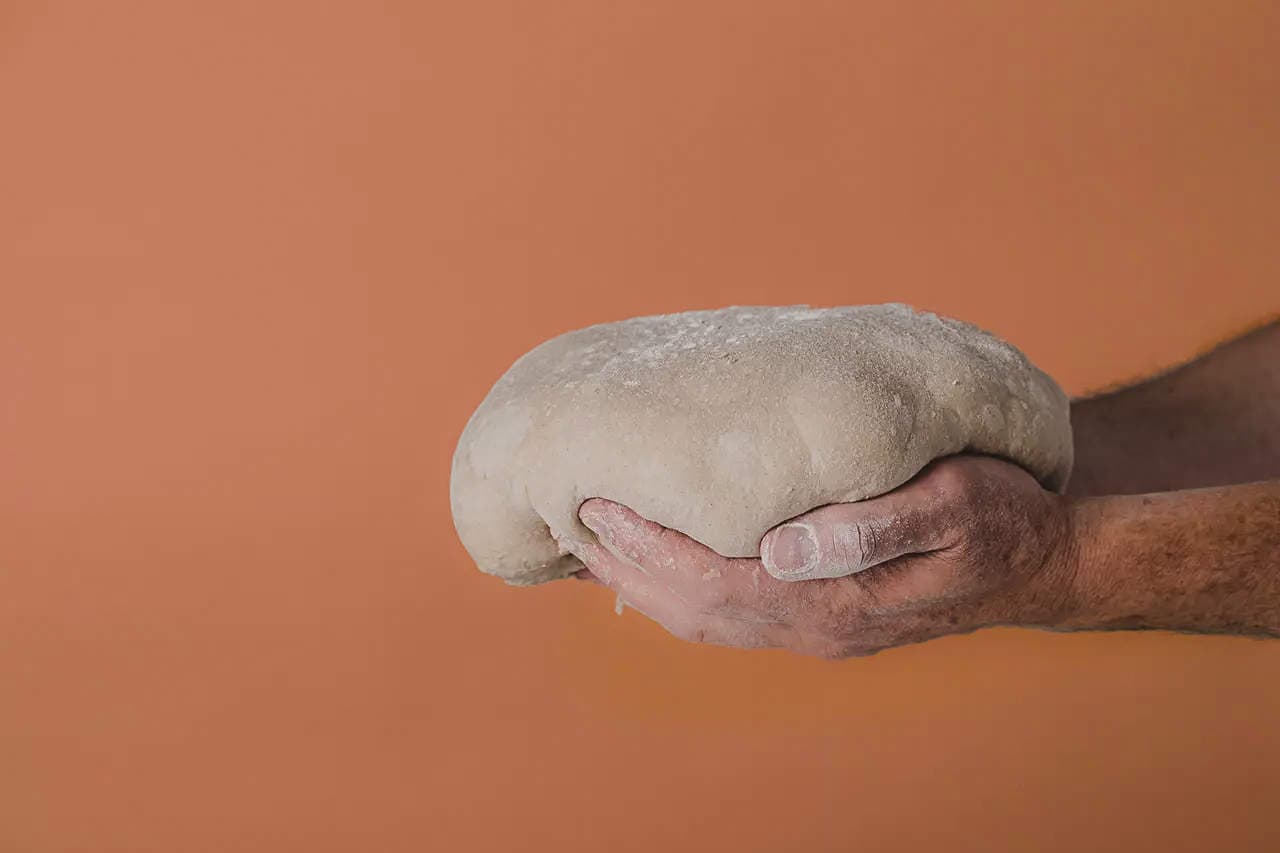
I’ve been baking breads since 2017. My sourdough starter sits on my kitchen counter. Every morning, I feed it—discard half, add flour and water, stir. Some days it bubbles enthusiastically. Other days it looks sluggish, barely alive. I’ve named it, which my friends find absurd. “It’s just yeast,” they say.
But it’s not just yeast. It’s a living ecosystem that I’ve been maintaining for eight years. It remembers the flour I used last week, the temperature of my kitchen, my feeding schedule. Miss a day and it doesn’t die immediately—it just gets quieter, waiting to see if I’ll come back.
Last month, a friend asked why I bother when there’s delivery in 10 mins. “You can buy bread for forty rupees,” she said. “Why spend hours making it?”
I didn’t have a good answer then. But lately I’ve been thinking about how we approach bread the same way we approach relationships now—looking for convenience, consistency, immediate results. And I realised my sourdough starter has taught me more about connection than I expected.
Commercial bread rises in an hour. Add instant yeast, some dough conditioners, maybe a bit of sugar to speed things along. Ninety minutes later, you’ve got a loaf. Efficient. Predictable. Perfect for the modern schedule.
Sourdough laughs at your schedule. Depending on temperature and humidity, my dough can take anywhere from twelve to twenty-four hours to rise. I can’t rush it by turning up the heat—that kills the culture. I can’t pause it when I’m busy—over-fermented dough turns to soup. I have to work around its needs, not the other way around.
Sound familiar? Real friendships are like this. You can’t force depth at month three because you’ve decided you need a best friend by now. That colleague who could become something more than a work acquaintance? It happens through accumulated small moments—shared lunches, random conversations, slowly learning each other’s stories. You can’t schedule it.
You can’t rush your child through developmental stages because it’s inconvenient. You can’t pause their need for attention because you’re exhausted. They unfold at their own pace, and your job is to tend the process, not control it.
But we’ve gotten terrible at waiting. We ghost friends who don’t text back within a day. We’re too busy to call our parents for weeks, then wonder why conversations feel stilted. We schedule “quality time” with our kids like business meetings, expecting connection to happen on command.
I get it. I’ve done it. But then I watch my dough slowly transform over eighteen hours—gluten developing, flavours deepening, structure building—and I wonder what we miss when we demand instant results from the people we claim to care about.
A few weeks ago, my starter stopped rising properly. The bread came out flat, dense, disappointing. I almost threw the whole thing out and started over.
Instead, I spent a week troubleshooting. Was I feeding it enough? Too much? Wrong flour? Temperature issues? I adjusted one variable at a time, watching, learning. Turns out my kitchen had gotten colder and the starter needed more frequent feedings. Once I understood what it needed, it came back to life.
Think about the relationships in your life that have gone quiet. That friend you used to talk to every day who now feels like a stranger. Your teenager who’s suddenly monosyllabic. The sibling you were close to before life got complicated. Your spouse who seems distant after years of routine.
The commercial mindset says: this isn’t working anymore, time to move on. Find new friends. Accept that family drifts apart. Consider if you’re still compatible. It’s efficient, sure. Clean. But you never learn to read the subtle signs. You never develop the patience to ask: what changed? What does this person need right now that they’re not getting?
Sometimes the answer is simple. Your friend got overwhelmed and withdrew—they need you to reach out first for a while. Your kid is processing something and needs space, not interrogation. Your partner is stressed and needs you to just exist beside them quietly.
But we’ve lost the skill of troubleshooting relationships. We’re quick to diagnose irreparable damage when often it’s just a change in conditions that requires adjustment.
My sourdough is: flour, water, salt. That’s it. The complexity—the tangy flavour, the chewy texture, the way it stays fresh for days—comes from time and process, not additives.
Commercial bread has thirty ingredients. Preservatives for shelf life, conditioners for texture, emulsifiers for consistency. Each additive solves a problem. Each makes the bread more convenient, more predictable, more profitable. And each moves it further from what bread actually is.
We do this in relationships too. We add performance where authenticity is scary. We include strategic conversation topics that keep things surface-level. We throw in likes on social media instead of actual presence. We send quick WhatsApp messages instead of real conversation. With family, we fall into ritualistic interactions—the same questions at dinner, the same topics avoided, connection without actual intimacy.
These aren’t lies exactly—they’re lubricants that keep things moving smoothly. And they work, in the way that commercial bread works. It fills you up. It serves its purpose. The colleague relationship stays professional. The family gathering stays polite. The friendship stays intact on paper.
But something essential is missing, and you can’t quite name what it is.
The best relationships I’ve seen are simple at their core. Parents who actually listen instead of just managing their kids. Friends who can sit in silence together without it being awkward. Siblings who kept showing up through the years when it would’ve been easier not to. The depth emerges from those basic elements—honesty, attention, consistency, time—not from what’s added to make it easier.
Nobody fantasises about feeding a sourdough starter at 7 AM on a Sunday. It’s not romantic. It’s not exciting. It’s just necessary if you want to bake good bread.
But there’s something quietly beautiful about it—the ritual, the consistency, the care applied even when you don’t feel like it. Some mornings I’m groggy and annoyed at this jar demanding attention. But I feed it anyway, and slowly, over time, I’ve developed an affection for the routine.
All meaningful relationships are full of these unglamorous moments. Making coffee the way they like it even though you’re running late. Listening to the same story about their coworker for the third time. Adjusting your schedule because they need you. Reading the same bedtime story to your child for the hundredth time. Calling your parents every week even when you’re exhausted.
Not grand gestures—just steady, unremarkable presence.
We’ve been sold on the idea that connection should feel magical all the time. That if people are right for each other—as friends, as family, as anything—it should be effortless. But my sourdough has taught me that the best things often feel ordinary in the moment. The magic is in the accumulation—the way small, consistent care compounds into something extraordinary.
The spectacular moments everyone posts about on social media? Those are earned through the unspectacular ones nobody sees.
The sourdough analogy isn’t about forcing yourself to maintain relationships that are genuinely destructive. It’s about recognising the difference between natural, healthy challenge and dysfunction. Between the patience required for growth and the stubbornness of refusing to let go of something that was never going to work.
A good baker knows when to start fresh. That’s not failure—that’s wisdom.
A colleague recently told me she feels disconnected from everyone in her life. “I have 500 friends on social media,” she said. “I talk to my family weekly. I’m surrounded by people at work. So why do I feel so alone?”
She’s not wrong to feel that way. When we treat relationships like transactions—maintainable through likes and occasional texts, optimised for efficiency, kept at a comfortable surface level—they start to feel mass-produced. Same shape, same texture, nothing surprising. Convenient but unsatisfying.
With family, we fall into patterns: the obligatory festival gatherings, the predictable conversations, everyone playing their assigned roles. With friends, we keep up appearances through group chats and occasional meet-ups, but rarely go deeper. With our partners, we coordinate logistics and divide responsibilities but lose the people underneath the roles.
I think we’re hungry for something we’ve forgotten how to make. We want depth but don’t want to invest the time for it to develop. We want authenticity but don’t want the vulnerability it requires. We want the artisanal experience—real connection that nourishes us—while maintaining the commercial mindset of efficiency and convenience.
The sourdough starter sitting on my counter is a small rebellion against this. It refuses to be rushed. It demands attention. It varies from day to day. It’s inconvenient and imperfect and alive.
And maybe that’s what all meaningful relationships are supposed to be—not efficient, not predictable, not optimised. Just real, requiring care, worth the wait.
Share the love